Grain Quality Guide
Understanding grain quality standards and classifications is essential for fair pricing and optimal utilization. Our comprehensive guide helps you assess and value agricultural commodities accurately.
Quality Parameters Explained
Physical Parameters
Test Weight
Test weight measures grain density and is an indicator of grain maturity and soundness. Higher test weights generally indicate better quality and higher yields during processing.
Moisture Content
Moisture content is critical for safe storage. Higher moisture can lead to mold growth and spoilage. Each grain has specific moisture requirements for optimal storage and processing.
Foreign Material
This includes all matter other than the grain being inspected. Lower foreign material percentages indicate cleaner grain and typically command higher prices.
Damaged Kernels
Damaged kernels include those with visible mold, insect damage, frost damage, or heat damage. Excessive damage can affect processing quality and nutritional value.
Chemical Parameters
Protein Content
Protein content is particularly important for wheat and barley. Higher protein content is desirable for bread-making wheat, while lower protein is preferred for biscuit and cake flour.
Oil Content
Oil content is relevant for oilseeds and some grains like corn. Higher oil content may be desirable for oil extraction but can affect storage stability.
Starch Content
Starch content affects the processing quality of grains, particularly for food manufacturing and ethanol production. Higher starch content is generally preferred.
Mycotoxin Levels
Mycotoxins are toxic compounds produced by certain molds. Safe levels are strictly regulated as they can pose serious health risks to humans and animals.
Quality Standards by Crop
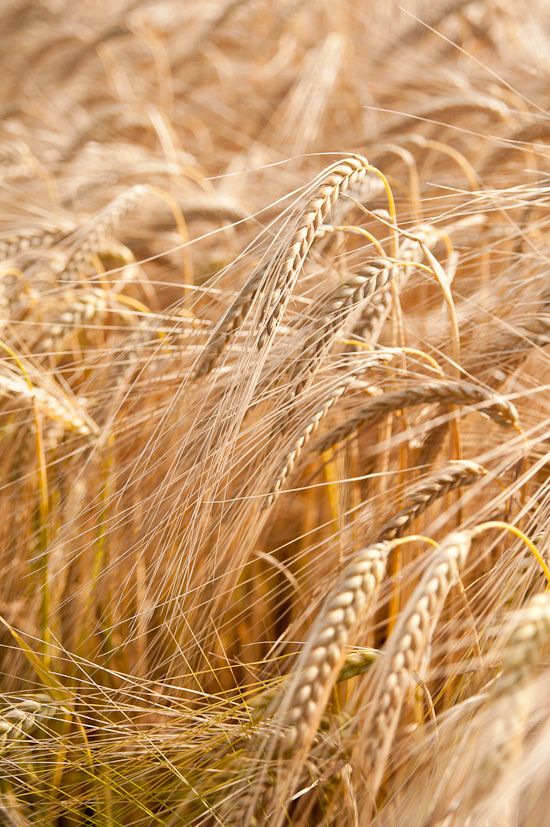
Wheat
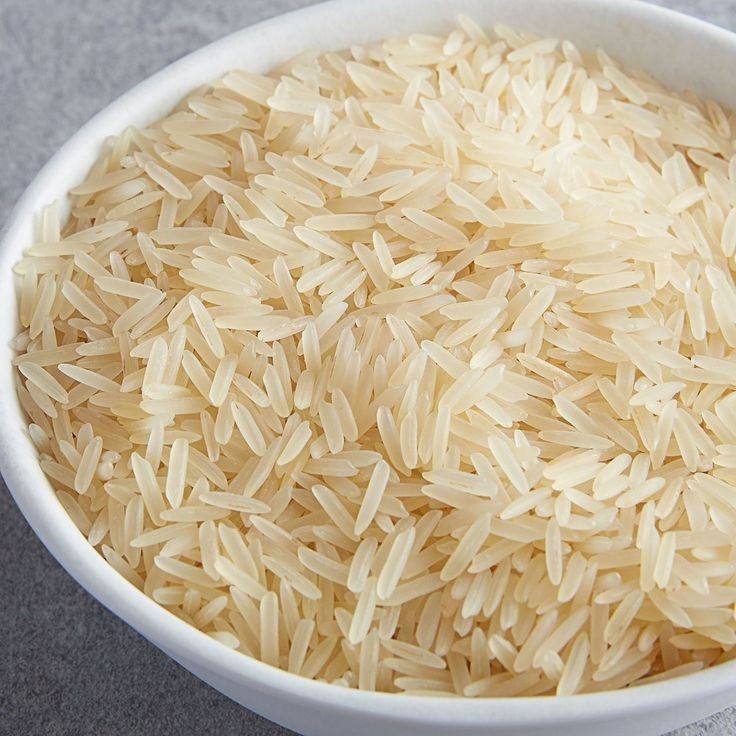
Rice
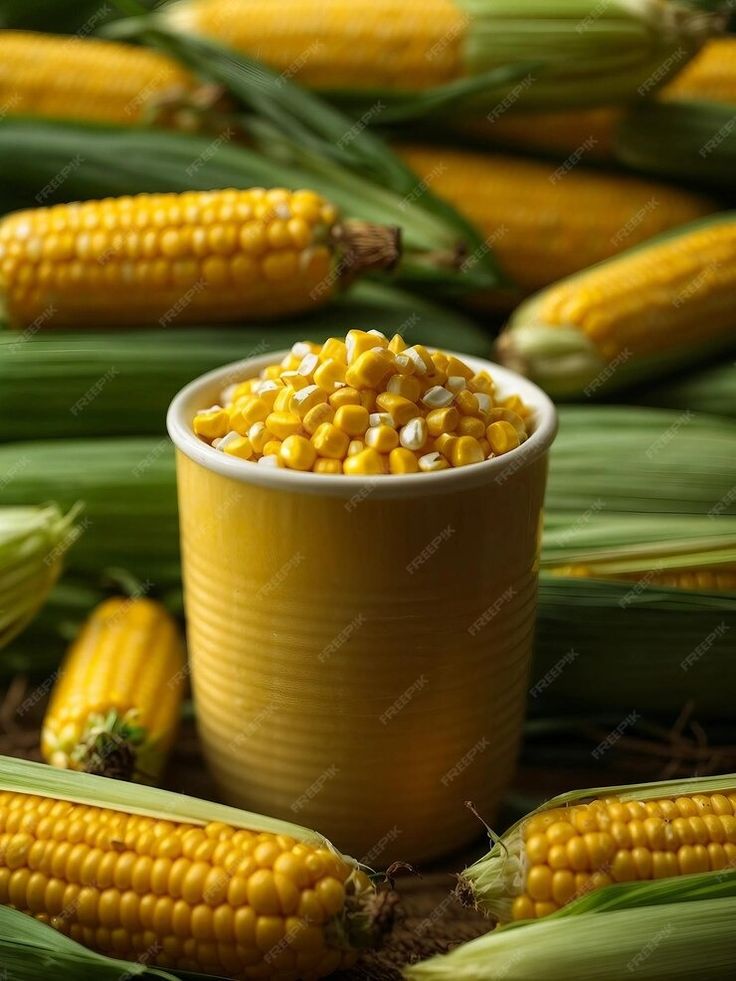
Corn
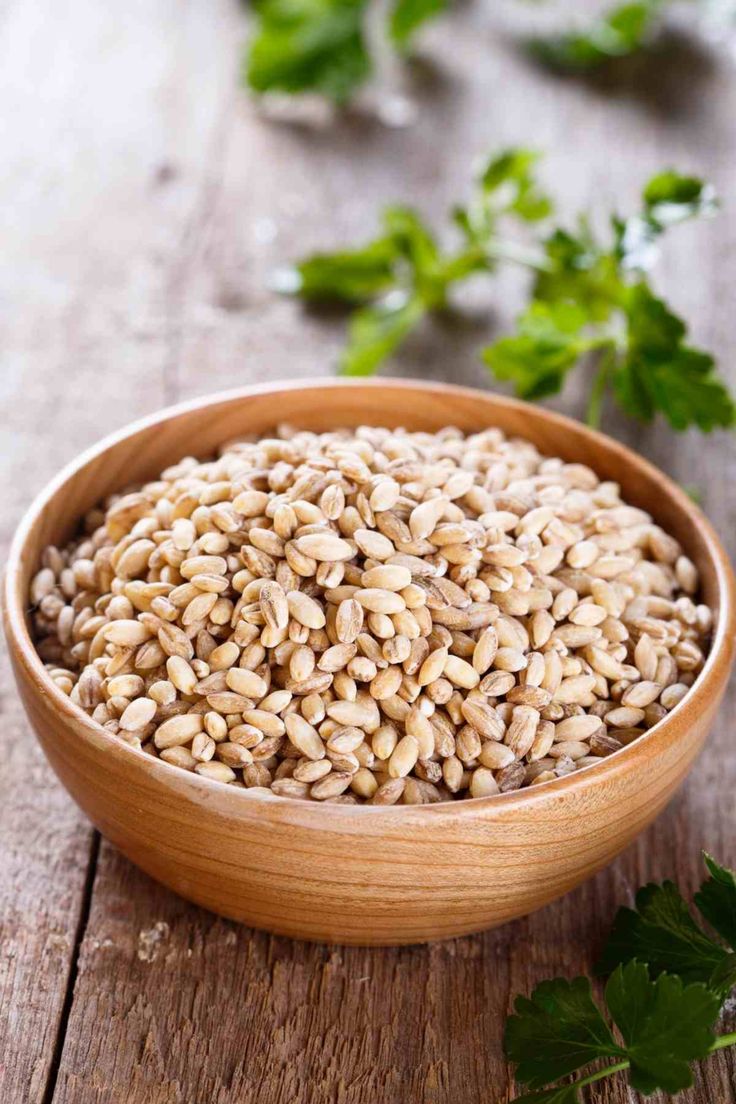
Barley
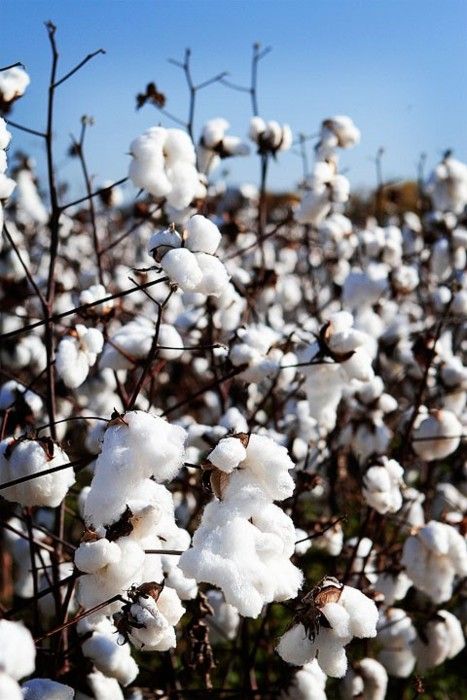
Cotton
Complete Quality Guide
Download our comprehensive quality guide with detailed standards for all grain types.
Our Quality Assessment Services
Laboratory Testing
Our state-of-the-art laboratory provides accurate testing for all quality parameters:
- Moisture content analysis using calibrated moisture meters
- Protein content testing with NIR technology
- Test weight determination using standard equipment
- Foreign material and damaged kernel assessment
- Mycotoxin screening for food safety compliance
Field Assessment
Our experts can visit your location to conduct on-site quality assessments:
- Pre-harvest crop quality evaluation
- Storage facility inspection and recommendations
- Sampling from trucks, silos, or warehouses
- Rapid quality testing with portable equipment
- Documentation and certification for trading purposes
Need Quality Assessment Services?
Our expert team provides accurate and reliable quality testing for all types of grains and agricultural commodities.
Contact Our Quality Team