The Complete Guide to Grain Trading in Pakistan: Market Trends and Opportunities in 2024
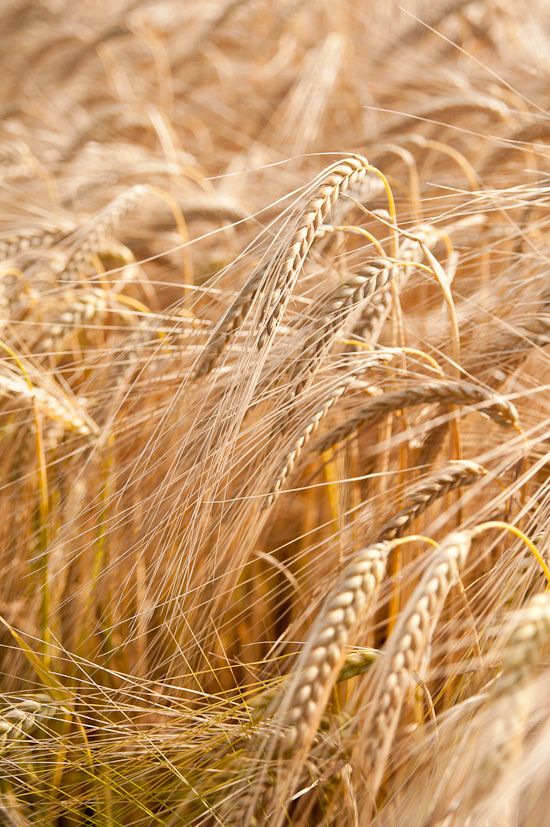
Pakistan's grain trading market is experiencing unprecedented changes in 2024. With evolving global demand, technological advancements, and shifting agricultural policies, understanding the current landscape is crucial for farmers, traders, and investors alike.
Current Market Overview
The Pakistani grain market has shown remarkable resilience despite global economic uncertainties. With over 22 million hectares of agricultural land and favorable climatic conditions, Pakistan continues to be a significant player in the global grain trade. The country's major grain exports include wheat, rice, corn, and cotton, with basmati rice being particularly sought after in international markets.
Key Market Statistics 2024
- • Total grain production: 45.2 million tons (projected)
- • Wheat production: 26.8 million tons
- • Rice production: 8.4 million tons
- • Corn production: 7.2 million tons
- • Cotton production: 2.8 million tons
Major Market Trends in 2024
1. Digital Transformation
The grain trading industry in Pakistan is undergoing a digital revolution. Online platforms are connecting farmers directly with buyers, reducing intermediary costs and improving price transparency. Mobile applications for price tracking, weather forecasting, and market analysis are becoming increasingly popular among farmers and traders.
2. Export Market Expansion
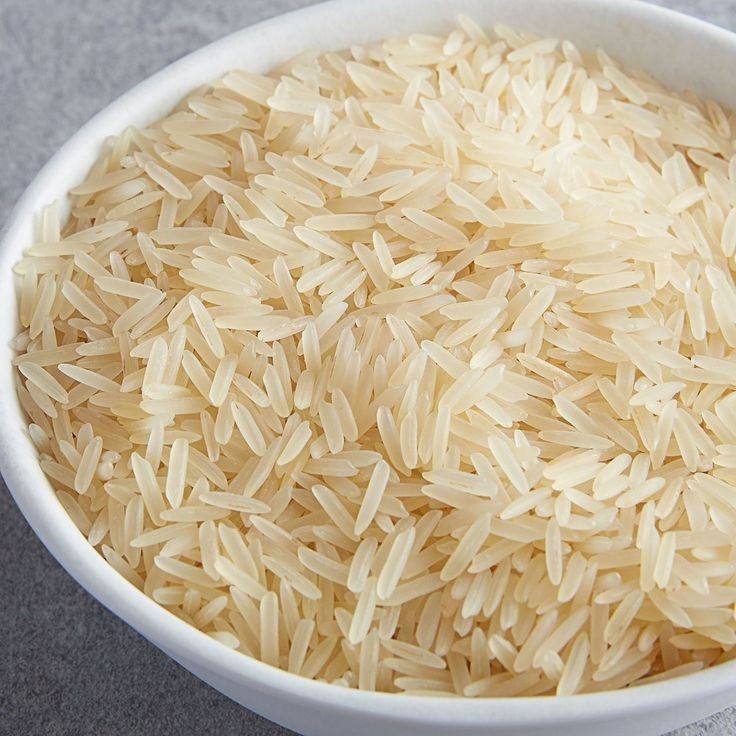
Pakistan's grain exports have seen significant growth, particularly in rice exports to Middle Eastern and African countries. The government's focus on improving quality standards and establishing new trade agreements has opened doors to previously untapped markets. Basmati rice exports alone have increased by 15% compared to the previous year.
3. Climate-Smart Agriculture
With increasing awareness of climate change impacts, farmers are adopting climate-smart agricultural practices. This includes drought-resistant crop varieties, efficient irrigation systems, and sustainable farming techniques that not only improve yields but also enhance grain quality, leading to better market prices.
Price Analysis and Forecasting
Understanding price patterns is crucial for successful grain trading. In 2024, we've observed several key trends that are shaping market prices:
Wheat Market Dynamics
Wheat prices have shown an upward trend due to reduced global supply and increased domestic demand. The government's procurement policy has provided a price floor, ensuring farmers receive fair compensation. Current prices range from PKR 2,400 to PKR 2,600 per 40kg, depending on quality and location.
Rice Export Premiums
Premium basmati varieties continue to command high prices in international markets. The focus on quality improvement and organic certification has allowed Pakistani rice to compete effectively with Indian basmati. Export prices for premium varieties have reached $1,200-$1,400 per ton.
Expert Tip
"Timing is everything in grain trading. Monitor seasonal patterns, weather forecasts, and global market trends to make informed decisions about when to sell your produce." - Bukhari Traders Market Analysis Team
Opportunities for Traders and Farmers
Value Addition
There's growing demand for processed and value-added grain products. Farmers and traders who invest in basic processing facilities can capture higher margins. This includes cleaning, grading, and packaging services that command premium prices in both domestic and export markets.
Organic and Specialty Grains
The organic food market is expanding rapidly, both domestically and internationally. Farmers who transition to organic farming methods can access premium markets with prices 20-30% higher than conventional grains. Specialty grains like quinoa and ancient wheat varieties are also gaining popularity.
Contract Farming
Contract farming arrangements are becoming more common, providing farmers with guaranteed buyers and stable prices. This reduces market risk and allows for better planning of farming activities. Many multinational companies are entering into direct contracts with Pakistani farmers.
Challenges and Risk Management
While opportunities abound, the grain trading sector faces several challenges that require careful management:
- Weather Volatility: Unpredictable weather patterns can significantly impact crop yields and quality. Farmers should consider crop insurance and diversification strategies.
- Price Fluctuations: Global commodity prices can be volatile. Forward contracting and hedging strategies can help mitigate price risks.
- Quality Standards: Increasing quality requirements in export markets demand better post-harvest handling and storage facilities.
- Infrastructure Limitations: Poor transportation and storage infrastructure can lead to post-harvest losses and reduced profitability.
Technology and Innovation
Technology is revolutionizing grain trading in Pakistan. Key innovations include:
Blockchain for Traceability
Blockchain technology is being piloted for grain traceability, ensuring food safety and authenticity. This is particularly important for export markets where consumers demand transparency about food origins.
IoT and Smart Farming
Internet of Things (IoT) devices are helping farmers monitor soil conditions, weather patterns, and crop health in real-time. This data-driven approach leads to better decision-making and improved yields.
AI-Powered Market Analysis
Artificial intelligence is being used to analyze market trends, predict price movements, and optimize trading strategies. This technology is making sophisticated market analysis accessible to smaller traders and farmers.
Future Outlook
The future of grain trading in Pakistan looks promising, with several factors contributing to positive growth prospects:
- Increasing global food demand driven by population growth
- Government support for agricultural modernization and export promotion
- Growing middle-class demand for quality food products
- Expansion of e-commerce platforms for agricultural products
- Climate-smart agriculture adoption improving sustainability
Key Takeaways
- • Digital transformation is creating new opportunities for efficient trading
- • Export markets offer significant growth potential for quality grains
- • Value addition and specialty grains command premium prices
- • Risk management strategies are essential for sustainable trading
- • Technology adoption is crucial for staying competitive
Conclusion
The grain trading landscape in Pakistan is evolving rapidly, presenting both opportunities and challenges. Success in this dynamic market requires staying informed about trends, adopting new technologies, and implementing effective risk management strategies. At Bukhari Traders, we're committed to helping our clients navigate these changes and capitalize on emerging opportunities.
Whether you're a farmer looking to maximize returns on your harvest or a trader seeking new market opportunities, understanding these trends and adapting your strategies accordingly will be key to success in 2024 and beyond.

Syed Mudassar Hussain Shah
Founder & CEO, Bukhari Traders
With over 25 years of experience in grain trading, Syed Mudassar provides expert insights into Pakistan's agricultural markets.
Related Articles
Cotton Export Opportunities: Maximizing Returns in International Markets
Explore the growing opportunities for Pakistani cotton exports and learn strategies to maximize returns in global markets.
Read MoreSeasonal Farming Tips: Optimizing Your Harvest for Better Market Prices
Learn how to time your planting and harvesting to take advantage of seasonal price fluctuations and market demand.
Read MoreNeed Expert Guidance?
Our experienced team can help you navigate the grain trading market and maximize your returns. Contact us for personalized advice and market insights.
Contact Our Experts